
Polypropylene (PP) - Durable, Lightweight, and Eco-Friendly Thermoplastic
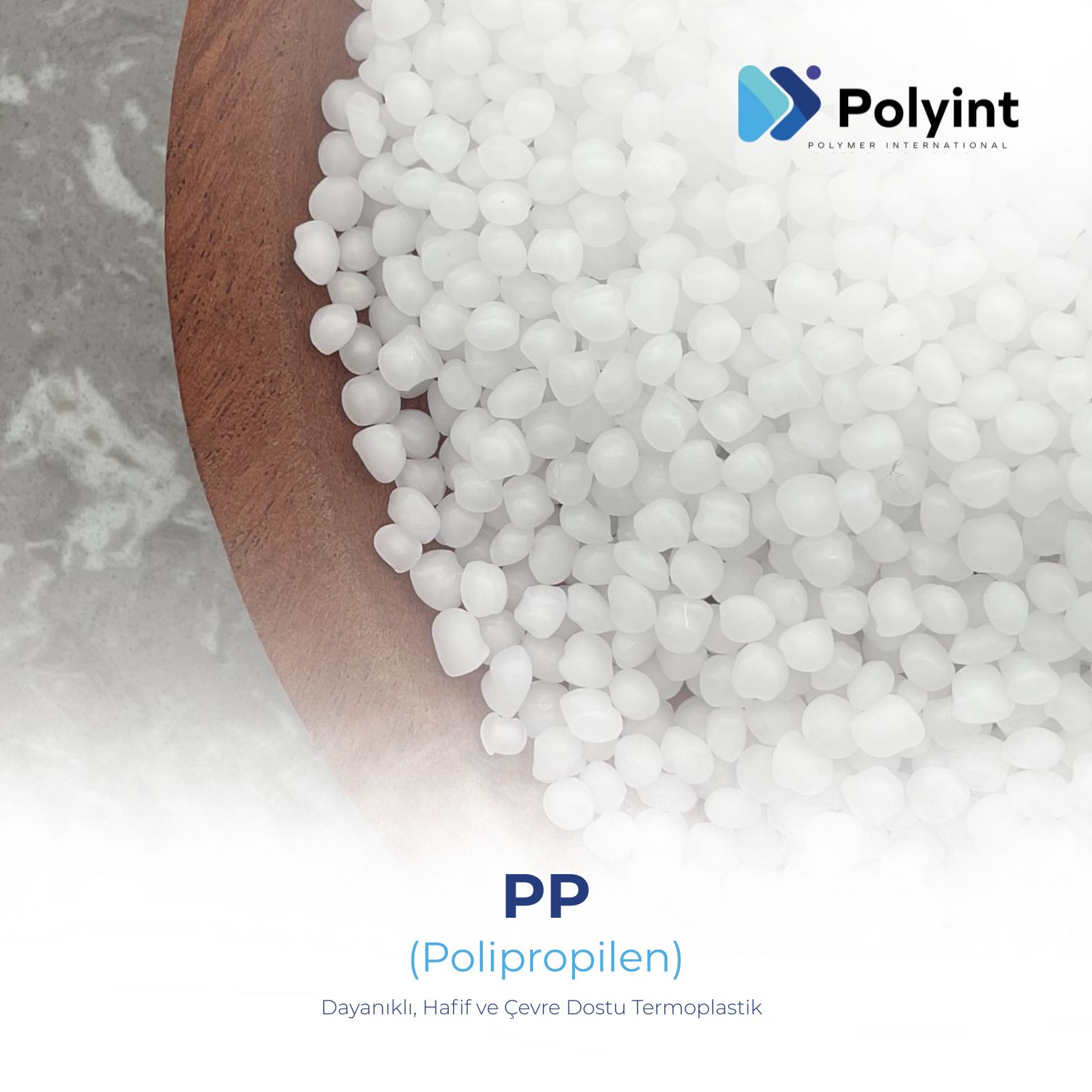
Polypropylene (PP) is a widely used thermoplastic polymer known for its light weight, durability, and chemical resistance. Its high heat resistance, low density, and excellent mechanical properties make it an ideal material for various industrial applications.
PP is commonly used in food packaging, medical equipment, automotive parts, and the textile industry. Additionally, as a recyclable material, it is environmentally friendly.
Technical Specifications
- Density: 0.90 – 0.91 g/cm³
- Melting Temperature: 160 – 170°C
- Tensile Strength: 30 – 50 MPa
- Izod Impact Strength: High
- Color Options: Natural, white, black, custom colors
Applications
Polypropylene is widely used in a variety of industries. Here are some examples:
- Packaging Industry: Food packaging, plastic bottles, bags, transparent containers
- Automotive Industry: Parts, interior trims, vehicle exterior surfaces, automotive interiors
- Textile Industry: Nonwoven fabrics, carpets, garment labels, hygiene products
- Medical Sector: Disposable medical devices, surgical drapes, test tubes
- Household Goods: Laundry baskets, kitchen utensils, storage containers
- Construction Industry: Building materials, pipes, insulation products
Advantages
- Highly resistant to chemicals, resistant to acidic and alkaline substances, suitable for various industrial conditions
- Lightweight, durable, and long-lasting, reducing transportation and usage costs
- High heat resistance, providing safe use in high-temperature environments
- Recyclable and eco-friendly, contributing to sustainable production processes
- Easy to process, suitable for production methods such as injection molding, extrusion, etc.
Additional Information
Polypropylene (PP) is produced by polymerizing propylene monomer. It has two main types: Homopolymer and copolymer. The homopolymer offers high strength and rigidity, while the copolymer version provides more flexibility and impact resistance. Both types offer suitability for different applications.
Although PP is not biodegradable, it is recyclable and an environmentally friendly material. Additionally, its ability to withstand a wide temperature range makes it preferred in industrial and commercial applications.