
ABS (Acrylonitrile Butadiene Styrene) - Durable and Versatile Thermoplastic
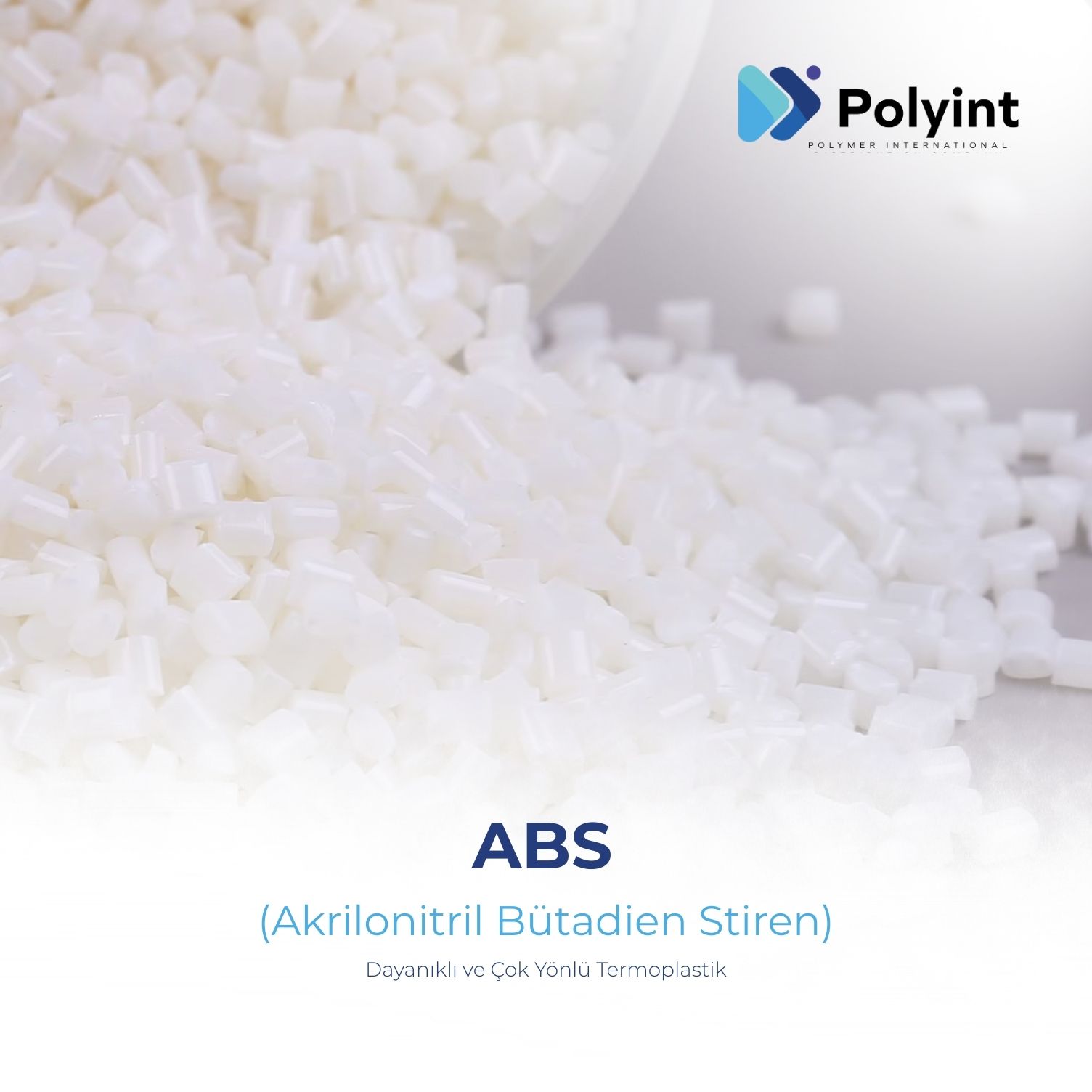
ABS (Acrylonitrile Butadiene Styrene) is an engineering plastic known for its durability and versatility. It features high impact resistance, excellent surface quality, chemical stability, and heat resistance. ABS is used in a variety of industrial applications, ranging from automotive to electronics.
ABS is easily processed by methods like injection molding and extrusion, making it ideal for various industries. The material provides an excellent balance between rigidity and flexibility and is highly durable.
Technical Specifications
- Density: Approximately 1.04 g/cm³ (High durability and stability)
- Melting Temperature: 200 – 250°C (Heat resistance)
- Tensile Strength: 40 – 50 MPa (High strength)
- Izod Impact Strength: High (Higher in modified versions)
- Color Options: Natural, black, custom colors (Visual variety and customization)
Applications
ABS is widely used in products that require strength and aesthetic surface quality, including the following applications:
- Automotive parts (bumpers, interior trims, dashboard panels, steering wheels)
- Electronics housings (televisions, monitors, mobile phones, computer cases)
- Toy manufacturing (especially pressed parts like LEGO)
- 3D printer filaments (ABS filament, durable prototypes)
- Household goods and durable plastic products (refrigerator parts, washing machine components)
- Lightweight construction materials and pipe systems (construction and infrastructure projects)
- Medical devices and accessories
Advantages
- High impact and wear resistance, ensuring long durability
- Easy to process, suitable for injection molding and thermoforming
- Shiny and smooth surface, providing an aesthetic appearance
- Paintable and can be coated for decorative purposes
- Reprocessable and recyclable, environmentally friendly
- Heat and chemical resistance, suitable for harsh conditions
Additional Information
ABS is produced by combining three main monomers: acrylonitrile, butadiene, and styrene, which balance the material's mechanical properties and allow for the production of various versions to meet different needs. Additionally, ABS variants suitable for food contact are available.
For indoor and outdoor applications, versions with UV stabilizers should be preferred. ABS can be visually enhanced with processes like metal plating (chrome coating). Also, ABS 3D printer filaments have a wide range of applications for prototype production.