
Filled Compound - Cost Efficiency and High Performance
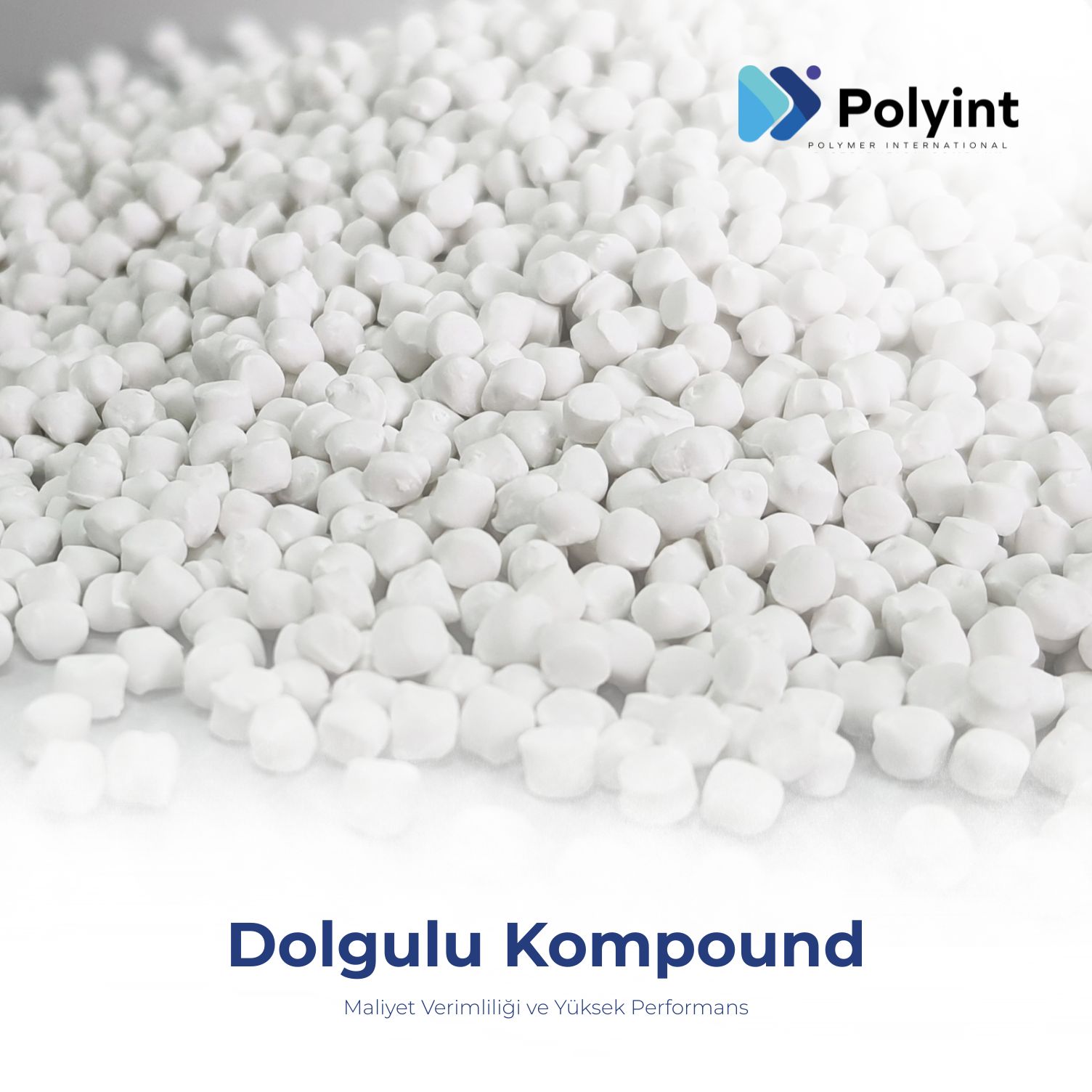
Filled Compound is a material formulated by adding fillers to base polymers, which improves its physical properties and reduces costs. These fillers, often mineral, glass fiber, or carbon black, significantly enhance the compound's mechanical properties, heat resistance, and chemical resistance.
Filled Compounds have a wide range of applications and are particularly preferred in the automotive, construction, electronics, and packaging industries. They also offer excellent processability and economic advantages, optimizing production processes.
Technical Specifications
- Density: Varies depending on the application (0.9 – 2.2 g/cm³)
- Melting Temperature: 200 – 280°C (Depends on the polymer and filler used)
- Tensile Strength: 30 – 90 MPa (Varies based on the filler material)
- Izod Impact Strength: High (Types with glass fiber are more durable)
- Color Options: Colored, transparent, or natural depending on the filler material
Applications
Filled Compounds are commonly used in various industries, including:
- Automotive industry (interior trim parts, bumpers, panels)
- Electronics industry (wires, electronic device enclosures)
- Construction industry (pipes, window profiles, insulation materials)
- Packaging industry (food packaging, cosmetic containers)
- Medical products (medical equipment, protective materials)
- Household items and durable plastic products
Advantages
- Filled materials improve mechanical properties, increasing material durability
- Reduces production costs and provides a more economical solution
- Customizable with different filler materials
- Offers high heat resistance, electrical properties, and chemical resistance
- Good processability and a wide range of production options
Additional Information
Filled Compounds typically consist of polymers (mostly thermoplastics) and fillers. The fillers enhance the physical, chemical, and thermal properties of the material. These compounds can be produced with environmentally friendly recyclable materials, offering sustainable alternatives.
Filled Compounds can vary in hardness, flexibility, heat resistance, electrical conductivity, and impact resistance, providing sector-specific solutions. Therefore, the correct type and ratio of fillers must be carefully selected for each application.